
When I started my pre-med journey, I knew research experience would be crucial for medical school applications. But as a student at a small liberal arts college without an affiliated medical school, finding meaningful research opportunities felt impossible. That's when I discovered Med-RAMP—and it completely transformed my path to medical school.
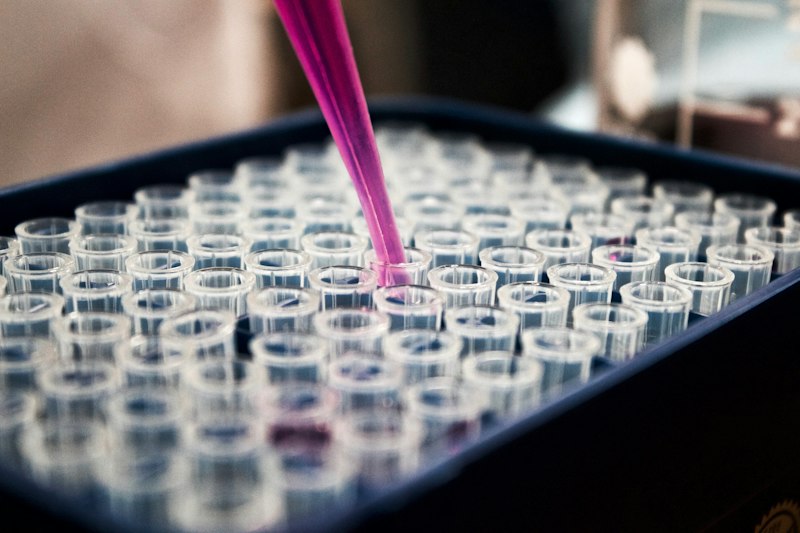
Finding the right research opportunity can transform your medical school application
The Challenge: Finding Quality Research
Like many pre-med students, I faced several obstacles:
- Limited research opportunities at my small college
- No connections to researchers in my area
- Uncertainty about how to even begin looking for research
- Fear that without research experience, my application would be incomplete
I spent months searching for research positions, only to find that most required long-term, in-person commitments that didn't fit with my academic schedule. Others were unpaid positions that expected 20+ hours per week—impossible for a full-time student working part-time to pay for college.
Discovering Med-RAMP
I found Med-RAMP through a pre-med forum where another student was sharing their positive experience. What immediately caught my attention was that the program was:
- Completely virtual - I could participate from anywhere
- Flexible - No minimum hour requirements
- Free - No fees or hidden costs
- Focused on real research - Contributing to actual publications, not just doing busy work
I applied immediately, and within two weeks, I was accepted and paired with my mentor—a second-year medical student who had been exactly where I was just a few years ago.
The Med-RAMP Experience
From day one, my mentor treated me as a genuine research collaborator, not just a volunteer. Our first meeting covered:
- The basics of cancer epidemiology research
- How to navigate and interpret data from the National Cancer Database
- The publication process from abstract to manuscript
- Setting realistic goals for my first project
My First Project
I started with a literature review on rare thyroid cancer variants. This taught me how to:
- Search scientific databases effectively
- Critically evaluate research papers
- Synthesize information from multiple sources
- Write in scientific style
Within three months, I had contributed to my first conference abstract. Seeing my name as a co-author was incredibly validating—this was real research, and I had genuinely contributed to it.
Building Momentum
As I gained experience and confidence, my responsibilities grew. I moved from literature reviews to data analysis, learning statistical concepts along the way. My mentor was always available to answer questions and provide guidance, but also gave me the independence to problem-solve on my own.
Over the next year, I:
- Earned authorship on 5 abstracts and posters
- Presented at a regional oncology conference
- Contributed to 2 manuscript submissions
- Developed genuine expertise in rare cancer epidemiology
The Impact on My Application
When it came time to apply to medical schools, Med-RAMP became the cornerstone of my application. Here's how:
Personal Statement
My research experience provided concrete examples of my commitment to medicine and scientific inquiry. I could write authentically about:
- Discovering patterns in rare cancer data and what that taught me about patient populations
- The satisfaction of contributing to knowledge that could improve patient care
- How research skills complemented my clinical experiences
Activities Section
Instead of a generic "research volunteer" entry, I had:
- Specific publication citations
- Concrete descriptions of my contributions
- Evidence of sustained, meaningful engagement (over 400 hours)
- Clear progression from basic tasks to independent analysis
Interviews
This is where Med-RAMP really shined. When interviewers asked about my research, I could:
- Speak confidently about my projects and their significance
- Discuss the broader implications of rare cancer research
- Demonstrate critical thinking about study limitations and future directions
- Show genuine passion for research that came from real experience
At multiple interviews, my research was a major talking point. One interviewer spent 15 minutes discussing rare cancer epidemiology with me—it felt more like a collegial conversation than an interview.
The Results
I applied to 15 medical schools and received 3 acceptances, including my top choice. While I can't attribute my success solely to Med-RAMP, I'm certain it was a crucial differentiator. My application went from "solid but unremarkable" to "demonstrates sustained commitment to research and medicine."
Beyond the Application
The benefits of Med-RAMP extended beyond just strengthening my application:
- Skills Development: I learned statistical analysis, scientific writing, and critical evaluation—skills I use daily in medical school
- Mentorship: My mentor became a trusted advisor who helped me navigate not just research, but the entire medical school application process
- Confidence: Knowing I had contributed to real research gave me confidence in interviews and beyond
- Network: I connected with other pre-med students in the program, several of whom are now classmates at various medical schools
Advice for Future Applicants
If you're considering Med-RAMP, here's my advice:
- Start early: The more time you invest, the more you'll gain. I started sophomore year, which gave me plenty of time to build a strong research portfolio.
- Be proactive: Your mentor will guide you, but take initiative in suggesting project ideas and asking questions.
- Communicate openly: If you're struggling with time management or understanding concepts, speak up. The program is designed to be flexible and supportive.
- Think long-term: Don't just focus on getting authorships—focus on genuinely learning and contributing. The authorships will follow.
- Apply what you learn: Connect your research to your clinical experiences and coursework. This integration makes everything more meaningful.
Final Thoughts
Med-RAMP didn't just help me get into medical school—it shaped who I am as a future physician. I learned that research isn't just about publications; it's about asking questions, seeking answers, and contributing to the body of knowledge that improves patient care.
If you're a pre-med student looking for meaningful research experience, I cannot recommend Med-RAMP highly enough. It's accessible, flexible, and most importantly, it provides real opportunities to contribute to meaningful research. The program gave me the research experience, mentorship, and confidence I needed to succeed in the medical school application process—and I'm convinced it can do the same for you.
Ready to start your own Med-RAMP journey? The application is free and takes just a few minutes. Your future self will thank you.